Your body reacts to pressure long before your mind puts a label on it. Tight shoulders, shallow breathing, restless nights, that wired feeling when you should feel calm. These signals come from your nervous system, not your motivation or willpower. When stress stays active for too long, sleep quality drops, focus fades, and recovery slows.
You may already track habits, count steps, or manage screen time. Still, none of that matters if your nervous system never gets a clear signal that it is safe to relax. Real rest begins when your body exits constant alert mode.
Science now shows that subtle physical cues can guide the nervous system toward calm states without forcing behavior changes. Gentle sensory input, timing, and consistency play a role. That approach is gaining attention among people who want better sleep and steadier energy without relying on stimulants or complicated routines.
This article walks you through how your nervous system responds to stress, how regulation supports rest, and how modern tools, including those developed by Apollo Neuroscience, fit into a broader strategy that puts your body back in balance.
Your Nervous System Decides How You Feel
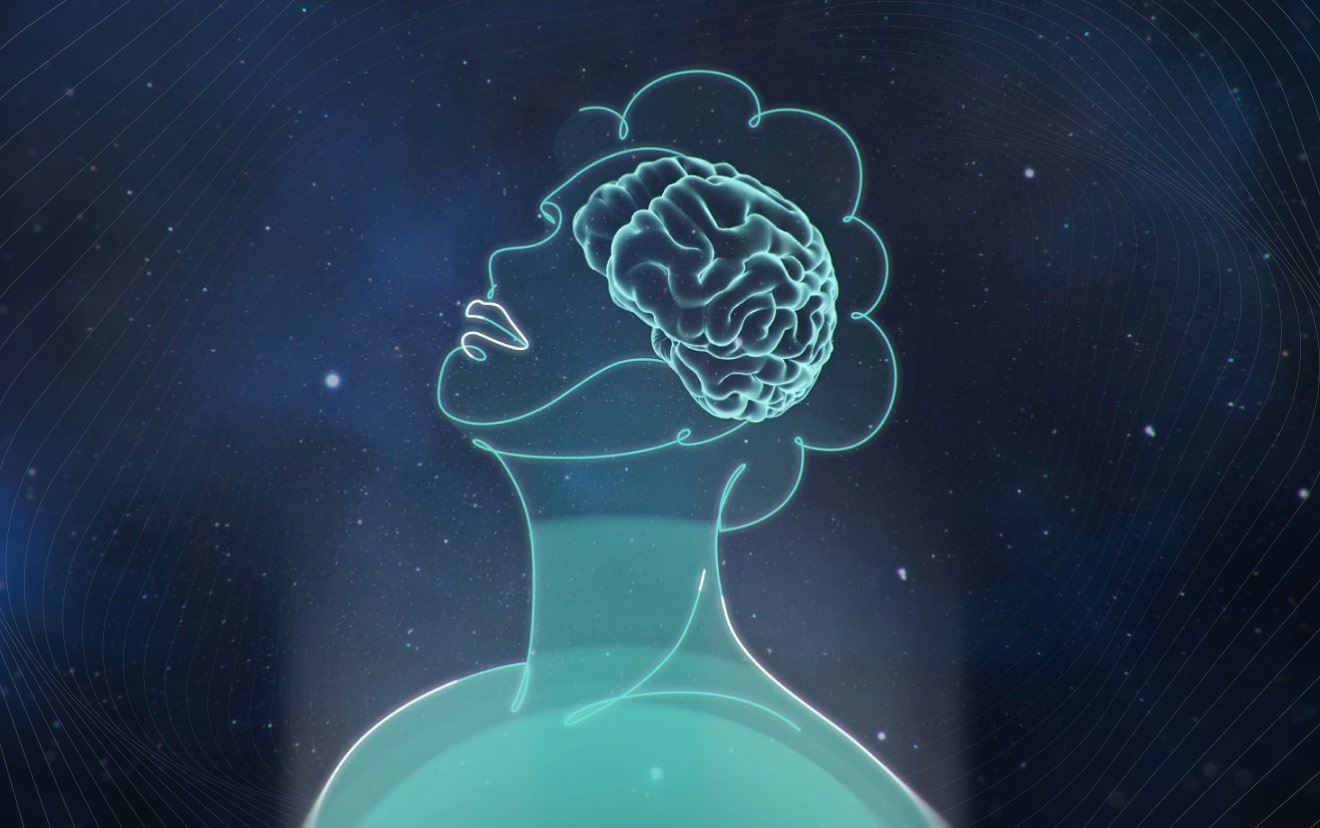
Every reaction you experience passes through your autonomic nervous system. It runs in the background, controlling heart rhythm, breathing pace, digestion, and sleep readiness. When pressure builds, the sympathetic branch stays active. That state sharpens awareness but blocks deep rest.
You can’t talk your way out of this response. Reading advice or repeating affirmations does little if your body still senses threat. Regulation works best when physical signals tell your system that danger has passed.
Stress Lives in the Body, Not Just the Mind
Mental stress often starts with physical tension. Elevated heart rate, shallow breathing, and disrupted rhythms signal that something feels off. Over time, your system adapts by staying alert longer than needed. That’s why stress relief methods focused only on mindset rarely last.
What actually helps is consistent input that nudges your nervous system back toward safety. Gentle movement, touch, sound, and rhythm all influence that process. The key is subtlety. Strong stimulation can backfire and keep alertness high.
Why Heart Rhythm Matters
Your heart does not beat like a metronome. Healthy variation between beats shows flexibility in your nervous system. This measurement is known as heart rate variability, often tracked using an HRV monitor. Higher variability reflects better recovery and emotional regulation.
When stress dominates, variability drops. Sleep becomes lighter. Focus narrows. Recovery slows. Improving this rhythm means improving how your body handles pressure, not avoiding stress entirely.
Sleep Begins Before Bedtime
Sleep quality depends on how your nervous system behaves hours before your head hits the pillow. Screens, late meals, and emotional stimulation all keep alert signals active. Even if you lie still, your system may stay on guard.
Many people turn to tracking tools or a sleep cycle app to spot patterns. Data helps, but awareness alone doesn’t shift physiology. What matters is signaling calm consistently throughout the day.
Technology That Works With the Body
Modern wellness tools increasingly focus on nervous system regulation rather than motivation. Wearable devices now deliver gentle sensory cues that interact directly with the body. An Apollo wearable uses low-level vibrations designed to guide your system toward calmer states without demanding effort.
This approach does not distract or stimulate. It works quietly in the background, letting your body adjust naturally. That design matters because the nervous system responds best to signals it does not need to analyze.
Daytime Regulation Improves Nighttime Rest
Better sleep often comes from daytime balance. When your system spends less time in alert mode, it transitions into rest more easily. That’s why people who focus only on nighttime routines often miss the bigger picture.
Some people explore tools alongside an Apollo Neuro review to understand how sensory-based regulation fits into daily life. Reviews help with expectations, but consistency determines outcomes.
Apps Can Support Awareness, Not Fix Everything
Digital tools can support routines when used with intention. Apps to help you sleep may guide breathing, track cycles, or reduce nighttime disruption. A sleep app free version often covers basics without pressure to optimize everything.
Tracking works best when paired with action. Awareness creates opportunity. Regulation creates change. Together, they reinforce better rest patterns.
Why Subtle Input Works Better Than Force
Strong stimulation keeps the nervous system alert. Subtle, rhythmic input signals safety. This principle shows up across biology, from rocking infants to rhythmic walking. Devices built around this idea avoid overwhelming your senses.
An Apollo wearable review often highlights this quiet influence. The experience feels passive, not demanding. That distinction matters for long-term use.
Building a Sustainable Calm Routine
Consistency matters more than intensity. Small cues repeated daily teach your system new patterns. Calm becomes familiar instead of rare. Sleep deepens naturally when alertness fades earlier in the evening.
People who pair wearable input with simple tracking, such as free sleep tracking apps, often gain insight without pressure. Data stays informative rather than judgmental.
Within this space, Apollo Neuroscience focuses on sensory-based regulation grounded in neuroscience rather than motivation. Their work fits into a growing understanding that your body needs guidance, not commands.
Teaching Your Body When to Rest
Your nervous system does not respond to effort. It responds to signals. When those signals stay chaotic, rest feels distant no matter how disciplined you are. When signals become steady and gentle, calm follows naturally.
Better sleep, steadier focus, and improved recovery come from guiding your system rather than forcing it. Subtle input, consistent timing, and body-based awareness make that possible. Tools and apps support the process, but the goal remains the same: helping your body recognize safety.
Technology built with this understanding fits into daily life without adding pressure. That’s why approaches centered on nervous system regulation continue gaining interest. Apollo Neuroscience reflects this shift by focusing on how the body actually works, not how it should behave.
When your nervous system learns that it can rest, everything else follows. Sleep deepens. Energy stabilizes. Calm stops feeling temporary and starts feeling familiar.
Learn how nervous system regulation supports better sleep and calm, with insights on modern wearables and science-based tools from Apollo Neuroscience.