Clothing plays a major role in having a great day riding the mountain, as well as being warm, comfortable and prepared for changing weather. If you've never skied before or want to add more items to your winter wardrobe, selecting the right ski clothes can have an impact on your ski experience. If you're looking for a ski brand that offers something more modern and functional for those aiming to achieve a balance between performance and style when skiing, then Halfdays is definitely something to check out.
The ideal winter ensemble should keep you warm, wind, and water proof, but allow you to move easily. It can be helpful to know the basics of layering, fit, and the features of clothing to make sure you're dressed appropriately during your adventures on the slopes.
How to Choose Ski Clothes?
When purchasing ski gear, take into account the following: weather protection, insulation, breathability, comfort. Skiing is characterized by bursts of activity with periods of lift and resting in cold conditions. You should be able to control both situations with your clothing.
This is especially necessary for waterproof outerwear during ski trips in snow or wet weather. Search for jackets and pants that have an obvious waterproof rating and, if possible, have sealed seams. Breathable fabrics will also allow for excess moisture and heat to escape during exercise.
Thicker the clothes, the better… until the time comes when they're not. The use of a well designed layering system can offer greater flexibility than a single heavy outfit.
Elucidate the Three-Layer System
A good ski outfit typically consists of three layers:
- Base layer: Moisture-wicking thermal top and bottoms will keep sweat away from your skin. Frequently merino wool or synthetic materials are used.
- Midlayer: Fleece or lightweight insulated jackets will offer extra warmth.
- Outer layer: A ski jacket and pants will guard against wind, snow and moisture.
Change these layers depending on the temperature, weather forecast and activity level. Don't wear cotton as your basic layer as that will absorb the moisture and keep you cold.
How to Make Cool Outfits to Ski In
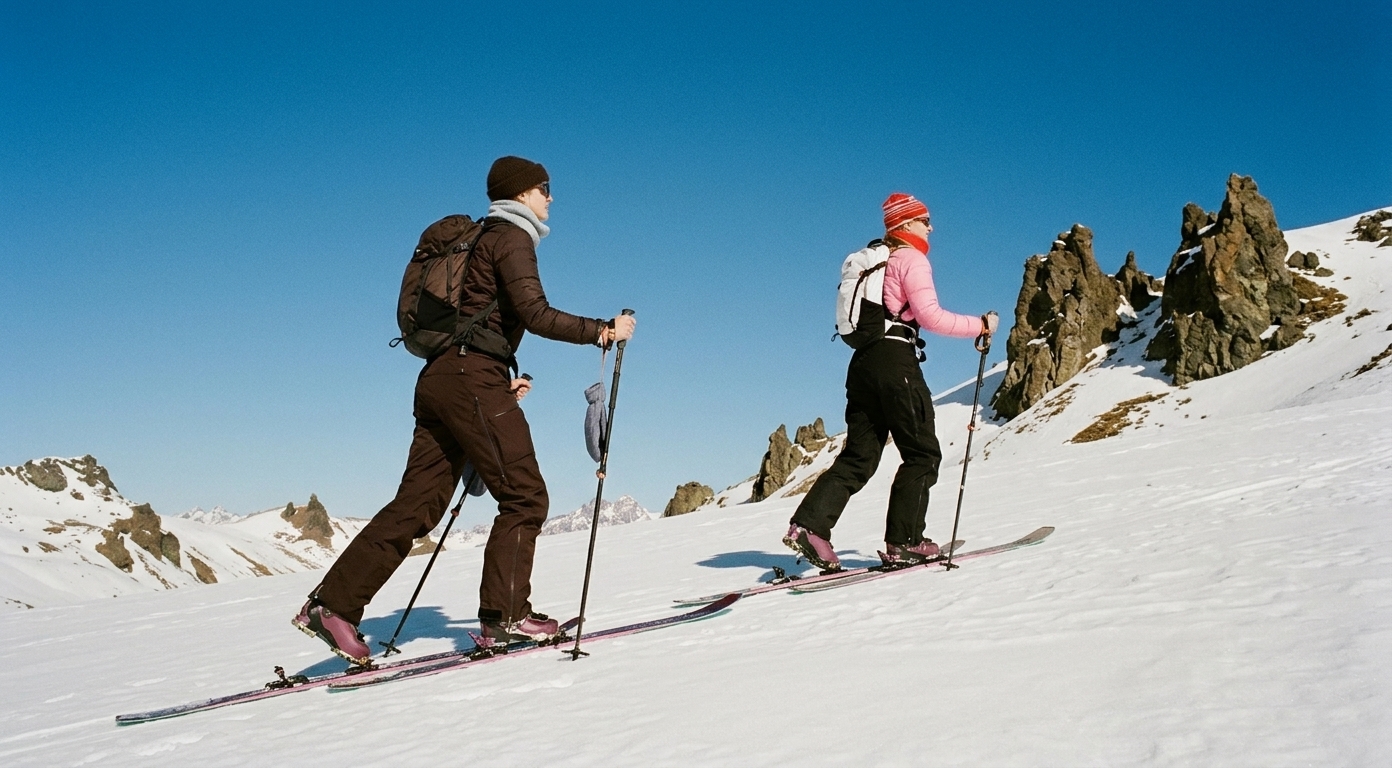
The ideal ski outfit strikes a balance between effectiveness and style. Color co-ordinated, complementary layers and a good fit can offer a polished appearance without sacrificing comfort on the slopes.
Begin with a jacket and pants that will allow for free movement. Ability to bend knees, rotate shoulders, and reach forward comfortably. Tight clothing may hinder layering and loose clothing may feel like a burden while being active.
Select Colors and Fits That Go Together
These neutral tones like black, cream or grey or brown can add an evergreen winter feel. Colourful and contrasting outfits can make an outfit stand out and may help in some situations.
Think about how your jacket will fit with ski pants, gloves, helmet and goggles. It is not necessary to match all the items. Two to three complementary colors can produce a harmonious look without a complicated appearance.
In addition to features like adjustable cuffs, snow skirts, secure pockets and ventilation zippers, think about other practical matters when planning ski outfits. These attributes can enhance comfort all day long on the water.
Why Take Into Account Halfdays Ski Apparel?
Before shopping for halfdays ski clothing, consider what kind of skiing you do, your style and budget. However, when it comes to women's ski wear, Halfdays is a brand to look at as well.
If you choose to buy, check the details of each product before making a decision—don't assume they've the same protection as another jacket or pant. Check the material composition, insulation, waterproofing information, available sizes, and care instructions.
Concentrate on the Fit and Functional Use
An ideal ski jacket will allow your base and mid layers to be comfortable, but not too bulky. Ski pants should be roomy enough to allow for movement but tight around the waist and boots.
When comparing Halfdays products, take into account the design's compatibility with your skiing conditions. If you ski in really cold weather, you might want to opt for the heavier layers of ski jackets for insulation, whereas if the weather is cooler, you might want to consider the lighter ones and more ventilation.
Please review current sizing policies and return policies prior to ordering, especially when ordering online. You can also find out how a specific type of clothing fits and functions from recent customer reviews.
What Are the Accessories to Complete Your Ski Outfit?
Clothes are just a portion of a comfortable ski outfit. Fitting accessories also provide protection to areas of the body exposed to cold, wind and snow.
Gloves or mittens, moisture-wicking socks, an appropriately sized helmet and ski goggles appropriate for the light conditions are essential. When the temperature drops, a neck warmer or balaclava will give extra protection.
Wear ski socks instead of two thick ones. Too much padding can cause boots to be tight and uncomfortable. Also, ensure that your helmet fits firmly and does not interfere with your goggles.
Dress in accordance with the weather and mountainous conditions for safety. Bring additional clothing if necessary and change wet clothing as soon as possible to minimize heat loss.
Learn How to Buy Ski Gear With Greater Confidence
When buying new ski gear and clothes, draw up a list of what you need. Think about what you are going to be doing, the usual temperatures, your level of skiing expertise and how often you will use each of these items.
Have a budget for clothing and accessories in addition to your jacket. Look at product specifications, carefully match sizes, and choose for weather protection and reliability, rather than appearance.
If you're looking for women ski clothing that combines style and mountain-ready functionality, then halfdays might be a great option to consider. Finally, a good ski outfit should provide you with protection, comfort and confidence while you're outside.