Have you ever started a simple repair or DIY project, only to realize halfway through that you don't have the right tool? Maybe the wrench is missing, your workbench is cluttered, or the tool you bought isn't quite strong enough for the job. These small problems can turn an otherwise straightforward project into a frustrating afternoon.
The good news is that building a useful collection of workshop tools and garage tools doesn't mean buying everything at once. With the right approach, you can create a practical setup that saves time, keeps your workspace organized, and makes everyday projects much easier.
Why the Wrong Tools Make Projects Harder
Having tools is one thing. Having the right tools is another.
A common mistake is buying tools based only on price or appearance. A cheap tool may seem like a bargain, but if it breaks under pressure, fits poorly, or makes a job harder, you could end up spending more replacing it.
Another issue is having too many specialized tools and not enough versatile essentials. A garage can quickly become crowded with equipment that gets used once or twice while basic tools are still missing.
Your goal should be to build a collection around the work you actually do.
Common Problems in a Home Workshop or Garage
Before investing in new equipment, consider the problems you're trying to solve.
1. Constantly Searching for Tools
A disorganized workspace can waste surprisingly much time. If screwdrivers, sockets, pliers, and measuring equipment are scattered around the garage, even a five-minute repair can become a frustrating search.
2. Tools That Don't Match the Job
Using the wrong size wrench or an unsuitable power tool can make simple repairs unnecessarily difficult. In some situations, it can also damage fasteners or materials.
3. Lack of Durable Equipment
Tools used regularly need to withstand repeated pressure and handling. Choosing equipment based solely on the lowest price may not provide the durability needed for frequent projects.
4. Limited Workspace
Even a good collection of tools becomes inconvenient when there isn't enough room to work. Storage and workspace are therefore just as important as the tools themselves.
What Causes an Inefficient Tool Setup?
Most inefficient workshops aren't caused by a lack of money or equipment. They're usually caused by a lack of planning.
Buying tools randomly can create an unbalanced collection. You might have several versions of the same screwdriver while missing a useful socket set or workbench.
The solution is to think about your typical projects first.
Do you work on vehicles? Build furniture? Handle household repairs? Work with wood or metal? Your answers will determine which workshop tools deserve priority.
How to Build a More Practical Tool Collection
Start With the Essentials
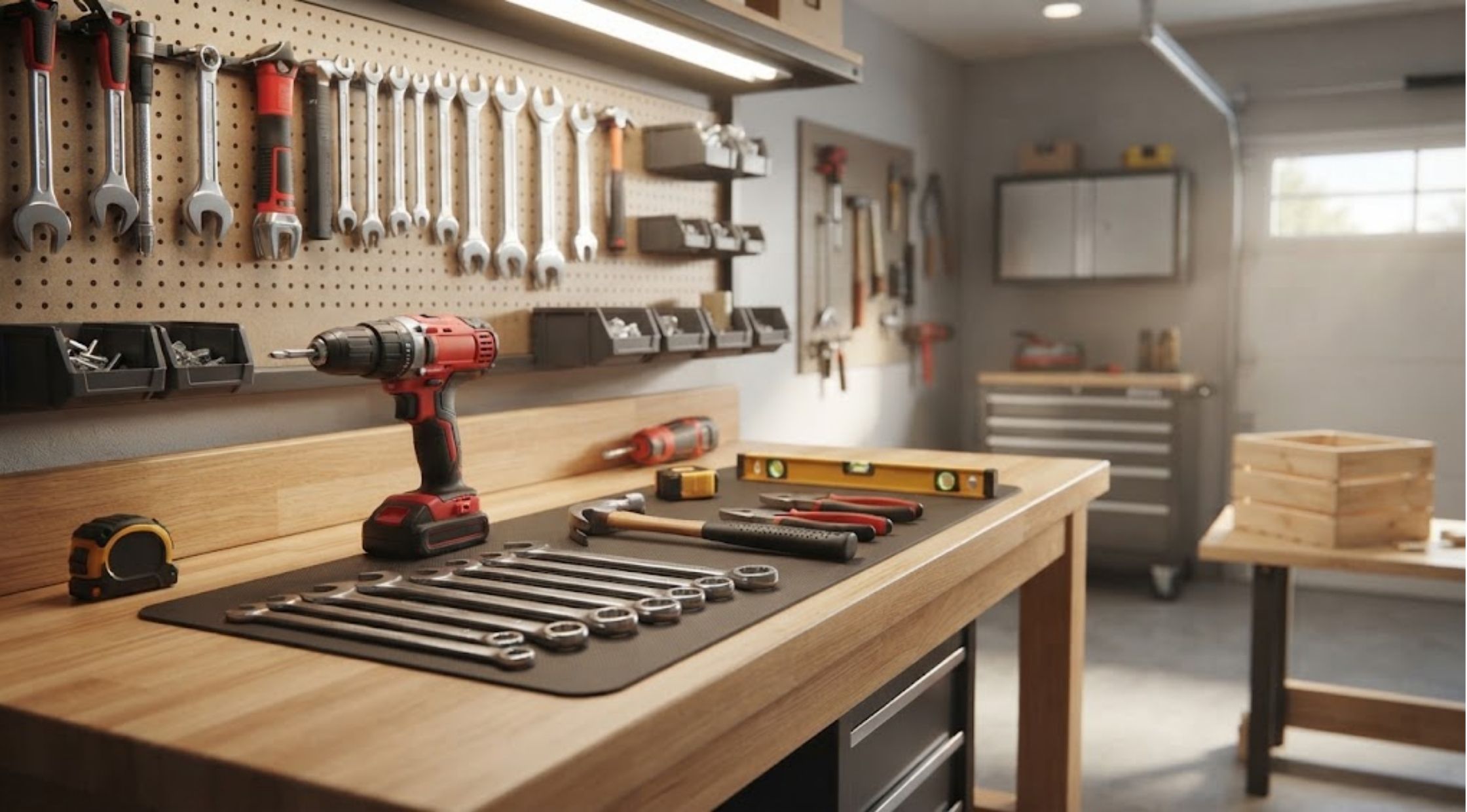
Begin with versatile tools that can handle multiple everyday tasks. Depending on your projects, these may include:
- Screwdriver sets
- Wrenches and socket sets
- Pliers
- Hammers
- Measuring tools
- Utility knives
- Clamps
- Levels
- Cordless power tools
You don't necessarily need professional-grade equipment for occasional DIY work, but investing in reliable basics can make a noticeable difference.
Choose Tools for Your Actual Projects
Think about the jobs you perform most often rather than buying based on what looks impressive.
For automotive work, useful garage tools might include socket sets, impact tools, creepers, jacks, and specialized automotive equipment. For woodworking, saws, clamps, drills, sanders, and measuring equipment may be more valuable.
The best collection is one that supports your hobbies and responsibilities.
Don't Forget Storage
Good storage can transform a cluttered garage into a functional workspace.
Tool cabinets, rolling storage, wall organizers, pegboards, and workbenches can keep frequently used equipment accessible while giving everything a designated place.
A well-organized workspace doesn't just look better. It can also make it easier to identify missing equipment and prepare for your next project.
When Is It Worth Investing in Better Equipment?
There comes a point when replacing inexpensive tools repeatedly becomes less economical than purchasing better-quality equipment.
This is particularly relevant if you work on projects frequently. Durable workshop tools can offer better construction, improved usability, and greater reliability over time.
You don't have to upgrade everything simultaneously. Start with the equipment you use most often and gradually improve your setup.
This is where a broad supplier such as Garvee can be useful for people who want to explore different categories of workshop, garage, storage, and home-improvement equipment in one place.
The Benefits of Upgrading Your Workshop
A thoughtfully upgraded workspace can change more than the quality of your tools.
More Efficient Projects
When the right equipment is within reach, you spend less time improvising or searching and more time actually completing the job.
Better Organization
Dedicated storage helps reduce clutter and keeps your workspace easier to navigate.
Greater Confidence
Using equipment designed for the task can make unfamiliar projects feel more manageable. Instead of wondering whether a tool can handle the job, you can focus on completing it properly.
Better Long-Term Value
Quality equipment may cost more initially, but frequently used tools can provide better value when they last longer and perform consistently.
Garvee offers a wide range of equipment for different types of projects, making it possible to expand a workshop gradually instead of trying to purchase an entire setup at once.
Think Beyond Individual Tools
One of the biggest improvements you can make isn't necessarily buying another tool. It's creating a workspace where your tools work together.
A sturdy workbench, appropriate storage, good lighting, and an organized selection of garage tools can make everyday repairs much easier.
Before making your next purchase, ask yourself three questions:
Will I use it regularly?
Does it solve a problem I currently have?
Will it fit into my existing setup?
If the answer is yes, the purchase is more likely to add genuine value.
Conclusion: Build a Workshop That Works for You
You don't need the biggest tool collection to have an effective workshop. You need equipment that matches your projects, storage that keeps everything accessible, and tools that can handle the work you regularly perform.
Start with the essentials, identify the gaps in your current setup, and upgrade strategically. Whether you're maintaining a vehicle, tackling DIY projects, or building from scratch, the right workshop and garage tools can make the process smoother.
A thoughtfully planned setup is ultimately more useful than a crowded one. Take the time to understand what you actually need, invest in quality where it matters, and build your workspace one practical improvement at a time. Garvee can be one option to explore as you expand your collection and create a more capable, organized workspace.