
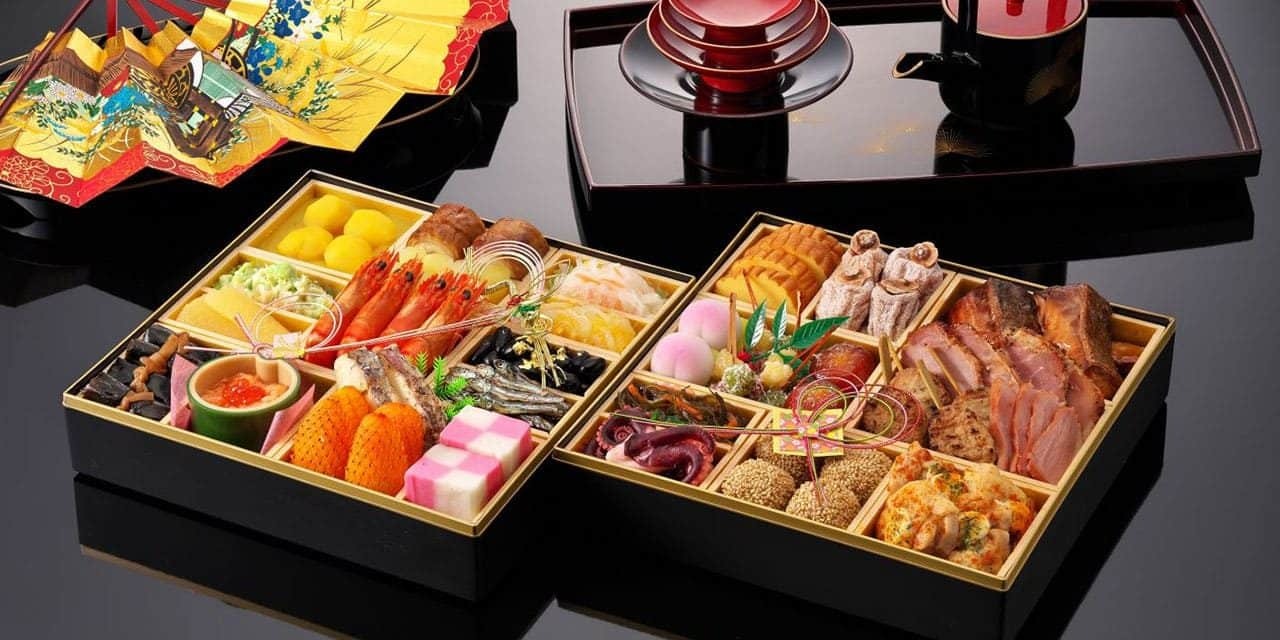
Japanese New Year (Oshōgatsu) is one of the most meaningful cultural celebrations in Japan, a time for families to gather, honor traditions, share symbolic foods, and look forward to a year filled with health, fortune, and joy. While many traditions are rooted in centuries of custom, you can bring the spirit of this festival into your own home regardless of where you live. In this step‑by‑step guide, we’ll show you how to host a Japanese‑style New Year celebration, featuring festive snacks, tea moments, meaningful décor, and a special dessert pairing using select products from Sakura.co’s Japanese New Year’s Collection.
1. Set the Mood: Decorations & Welcoming Atmosphere
The New Year in Japan is deeply symbolic. Traditionally, homes are cleaned and decorated in advance to “welcome the gods of the new year” and leave behind any impurity from the past year. Some classic decorative elements include:
- Shimenawa (sacred straw rope) at doorways to ward off evil and invite good fortune.
- Kadomatsu — bamboo and pine arrangements placed near entrances to honor ancestral spirits and bring strength and prosperity.
For a home celebration, you can incorporate simple décor like paper cranes or plum blossom branches to represent renewal and resilience. These visual cues set the tone for a meaningful and festive experience.
2. Start with a Ceremonial Tea Moment
A New Year celebration often begins with intentions — gratitude for the past year and hopes for the future. Starting with tea is a beautiful way to center everyone’s focus.
In Japan, traditional wagashi (confections) are paired with tea during ceremonial moments like the first tea of the year. Classic sweets like hanabiramochi are served with matcha tea to symbolize purity and renewal.
For your celebration:
- Brew a pot of green tea or matcha for guests as the opening gesture.
- Arrange small cups, and serve a sweet — such as a few pieces of New Year Wasanbon Sugar Candy — alongside the tea. The delicate sweetness and smooth profile of wasanbon sugar enhances the rich bitterness of tea, creating a balanced and refined pairing ideal for reflection and connection.
This simple tea moment honors Japanese ceremonial tradition while engaging the senses.
3. Snack Spread: Symbolic Flavors & Fun Bites
One of the heart‑and‑soul elements of Japanese New Year celebrations is food — particularly snacks and confections that are full of symbolism or simply bring delight. While traditional New Year feasts (osechi‑ryōri) are elaborate, you can feature simpler fare that captures the spirit of omiyage (festive food) while taking inspiration from Sakura.co products.
Daruma Arare — Savory Celebration Crunch
Arare are bite‑sized Japanese crackers made from glutinous rice. They offer a crunchy texture and savory flavor that pairs beautifully with green tea or sparkling beverages.
Your Daruma Arare serve a dual purpose:
- They are fun, crunchy snacks to nibble on while socializing.
- The daruma theme ties into good luck and perseverance — just like the symbolic Daruma doll that represents resilience and success in goal‑setting. (In Japanese culture, Daruma dolls are often associated with wishes for good fortune and determination.)
Arrange these crackers in small bowls around your gathering space — they make great ice‑breakers and conversation starters.
New Year’s Gummy Confectionery Sweet Playfulness
A festive celebration needs sweetness! The New Year’s Gummy Confectionery brings vibrant color and flavor to your celebration spread. These candies can represent the joy and youthful energy of welcoming a new year.
Place them in glass dishes or mini platters alongside your tea setup. Their playful texture and shapes make them especially delightful for kids or young‑at‑heart guests.
New Year Wasanbon Sugar Candy — Elegant Classic Sweet
Wasanbon is a high‑grade traditional Japanese sugar produced mainly in the Shikoku region, prized for its delicate sweetness and unique flavor.
Use New Year Wasanbon Sugar Candy as:
- A refined dessert treat after tea.
- A garnish on dessert plates or a sweet to enjoy after your celebratory meal.
- A special gift snack you can wrap individually for guests.
Wasanbon’s subtle, honey‑like sweetness and delicate melt‑in‑the‑mouth texture make it elegant and appropriate for a New Year’s celebration that seeks a balance between playfulness and tradition.
4. Celebrate with a Symbolic Meal
The main meal for a Japanese New Year is traditionally osechi‑ryōri — an assortment of richly symbolic dishes served in stacked lacquer boxes called jubako. Each food has meaning: lotus root signifies good prospects, shrimp symbolizes long life, and black soybeans represent good health.
If you want to simplify this concept for your home gathering:
- Prepare your favorite festive dishes that resonate with your guests.
- Add elements inspired by Japanese flavors — like noodles for longevity (toshikoshi soba), which are eaten on New Year’s Eve as a symbol of cutting loose from the past year’s hardships.
While Sakura.co’s snack selection may not include full osechi, combining your own Japanese‑style dishes with the sweet and savory treats makes for an enjoyable and layered food experience.
5. Toast with Tradition
In Japan, celebratory drinks like toso — a spiced sake traditionally enjoyed on New Year’s Day, are believed to help flush away the previous year’s ills and promote health and longevity.
If your guests enjoy alcohol, try serving a mild sake toasts after your meal. If not, sparkling juice or a citrus‑infused beverage makes a celebratory and inclusive alternative.
6. Fun Activities & Meaningful Traditions
Here are some interactive ideas that make your celebration more immersive:
- Daruma resolutions: Provide small Daruma figurines or printable cards where guests can write goals for the coming year — reflecting the symbolic practice of painting in one eye when setting a goal, then the other once it is achieved.
- Lucky drawing box: Invite guests to draw slips with fun fortunes (like omikuji), which are traditional paper fortunes tied to branches or kept for luck.
These activities add playfulness and meaning, echoing the stories and rituals you might see in a Japanese New Year festival.
7. End with Sweet Memories
Close your celebration with a final round of tea and sweet confections. Savor the refined sweetness of the New Year Wasanbon Sugar Candy, brush away lingering moments of the evening by savoring tea and conversation, and share wishes aloud for health, prosperity, and joy in the coming year.
Bringing It All Together
Hosting a Japanese‑style New Year celebration at home doesn’t require a huge feast or perfectly authentic décor. By combining meaningful traditions with delightful flavors, savory Daruma Arare, playful New Year’s Gummy Confectionery, and elegant New Year Wasanbon Sugar Candy,you can create a warm, joyful, and memorable tradition for your own guests with Sakuraco.Whether you’re celebrating with family, close friends, or even virtually with loved ones far away, this blend of snacks, tea, rituals, and shared experiences can bring the spirit of Oshōgatsu into your home in a meaningful and delicious way.