
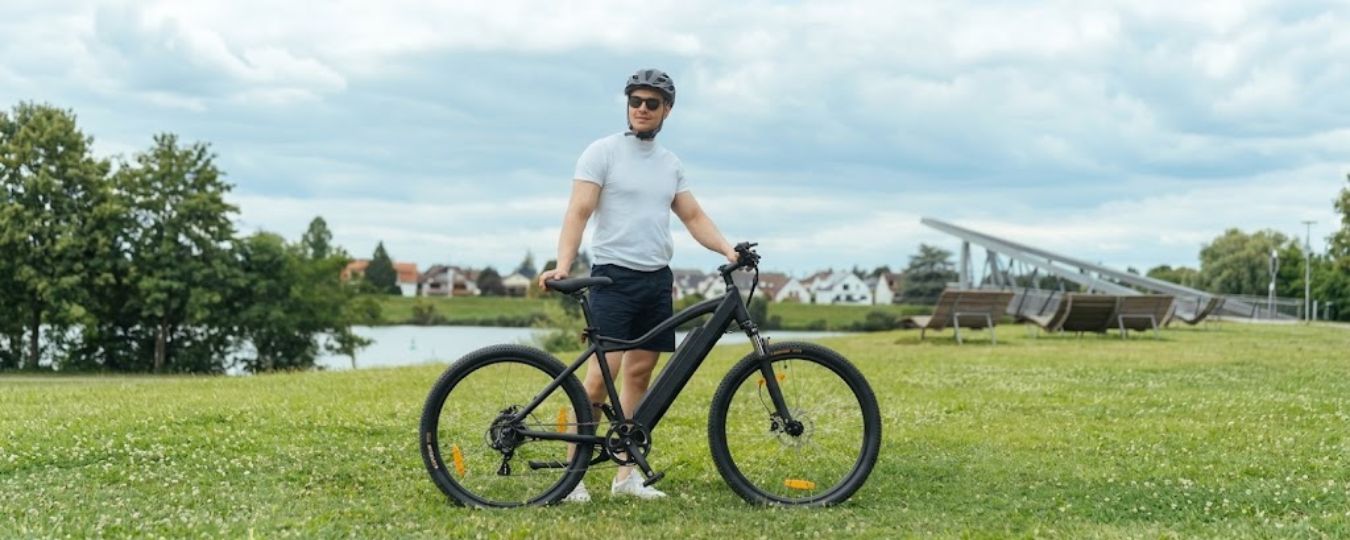
Buying a completely new electric bicycle can be expensive, especially when you already own a bicycle that you enjoy riding. Traditional bikes are useful for everyday journeys, but steep hills, longer distances, and tiring commutes can sometimes make cycling less convenient. Converting an existing bicycle into an electric-assisted model can be an alternative worth exploring.
YOSE POWER offers several conversion options, including its 36V 350W Rear E-Bike Conversion Kit with a 36V 13Ah HL1 Battery. It combines a rear hub motor, battery, and essential electrical components to help compatible bicycles gain electric assistance. For cyclists interested in a DIY e-bike conversion, this kit provides a practical starting point.
Understanding the 350W Rear Conversion Kit
The main attraction of this kit is its combination of a rear motor and rechargeable battery. Rather than replacing your entire bicycle, the conversion system uses an electric motor integrated into the rear wheel.
Here are some of its important features:
- 350W rear hub motor: Provides electric assistance while riding.
- 36V 13Ah battery: Supplies power to the motor and electrical system.
- Multiple wheel sizes: Available in 26-inch, 27.5-inch, and 28-inch options.
- Freewheel compatibility: Designed for bicycles using compatible freewheel setups.
- Complete conversion components: Includes supporting electrical parts and accessories required for installation.
The electric bike conversion kit is particularly interesting for people who want to retain their existing bicycle while adding motor assistance.
What Makes the Motor and Battery Important?
A conversion kit's performance depends heavily on its motor and battery specifications. The 350W rear hub motor provides assistance through the rear wheel, making it suitable for compatible bicycles used for commuting and recreational riding.
The included 36V e-bike battery has a capacity of 13Ah. Multiplying voltage by amp-hours gives an approximate energy capacity of 468Wh. Actual riding range depends on several factors, including rider weight, terrain, assistance level, weather, and riding habits.
The battery is an important consideration because it determines how much stored energy is available for your journeys. I would compare its capacity with your expected daily distance before purchasing.
For anyone researching a 350W rear hub motor, it is also important to understand that motor power alone does not determine the overall riding experience. Battery capacity, controller settings, installation quality, and local regulations all matter.
How I Would Prepare for Installation
Installing a conversion system requires checking your bicycle before ordering. I would follow these steps to avoid compatibility problems:
- Check your wheel size: Confirm whether your bicycle uses a 26-inch, 27.5-inch, or 28-inch rear wheel.
- Identify the drivetrain: Make sure your bicycle uses a compatible freewheel rather than assuming every rear-wheel setup will fit.
- Inspect your brakes: The standard brake levers included in the kit are not suitable for every hydraulic brake system.
- Check the pedal sensor: The supplied sensor may not fit Hollowtech II or Octalink cranksets. A compatible alternative may need to be purchased separately.
- Review the instructions: Read the installation guide and watch the manufacturer's tutorial before beginning the conversion.
- Test carefully: After installation, inspect all connections and test the system in a safe area.
These checks make a DIY e-bike conversion more manageable and help prevent unnecessary purchases of incompatible components.
Is This Kit Suitable for Everyday Cycling?
The conversion kit can be useful for people who want assistance during commutes, recreational rides, or journeys involving hills. Instead of replacing a bicycle they already own, they can explore adding electric assistance through a compatible rear-wheel system.
Customer feedback on the product page highlights straightforward installation and useful assistance during everyday cycling. However, installation difficulty can vary depending on the bicycle's frame, brakes, crankset, and existing components.
The electric bike conversion kit is therefore best suited to buyers who are comfortable checking specifications and carrying out basic mechanical installation or have access to a bicycle technician.
What Should You Consider Before Buying?
The listed UK price is approximately £319, although availability and pricing can change. The product page also advertises free shipping from its UK warehouse and an 18-month minimum warranty, subject to the applicable warranty terms.
Before ordering, I would check the following:
- Confirm the rear wheel and freewheel compatibility.
- Check whether your brake system needs different levers.
- Review the battery charging and storage instructions.
- Read the warranty and return conditions.
- Follow local electric bicycle regulations, including applicable power and speed limits.
A 36V e-bike battery should also be charged using the appropriate supplied charger and handled according to the manufacturer's safety instructions.
Final Verdict: Is the YOSE POWER Kit Worth Considering?
The YOSE POWER 350W Rear E-Bike Conversion Kit offers an interesting way to upgrade a compatible traditional bicycle. Its rear hub motor, 13Ah battery, and included conversion components provide a combination worth considering for everyday cycling.
I would recommend researching this option if you want to explore a DIY e-bike conversion without purchasing an entirely new electric bicycle. Just remember to confirm compatibility before ordering and consider professional installation if you are unfamiliar with bicycle electrical systems.
Overall, YOSE POWER provides a practical option for cyclists interested in an electric bike conversion kit. With the right bicycle and careful preparation, the system can help make familiar cycling routes more manageable.