
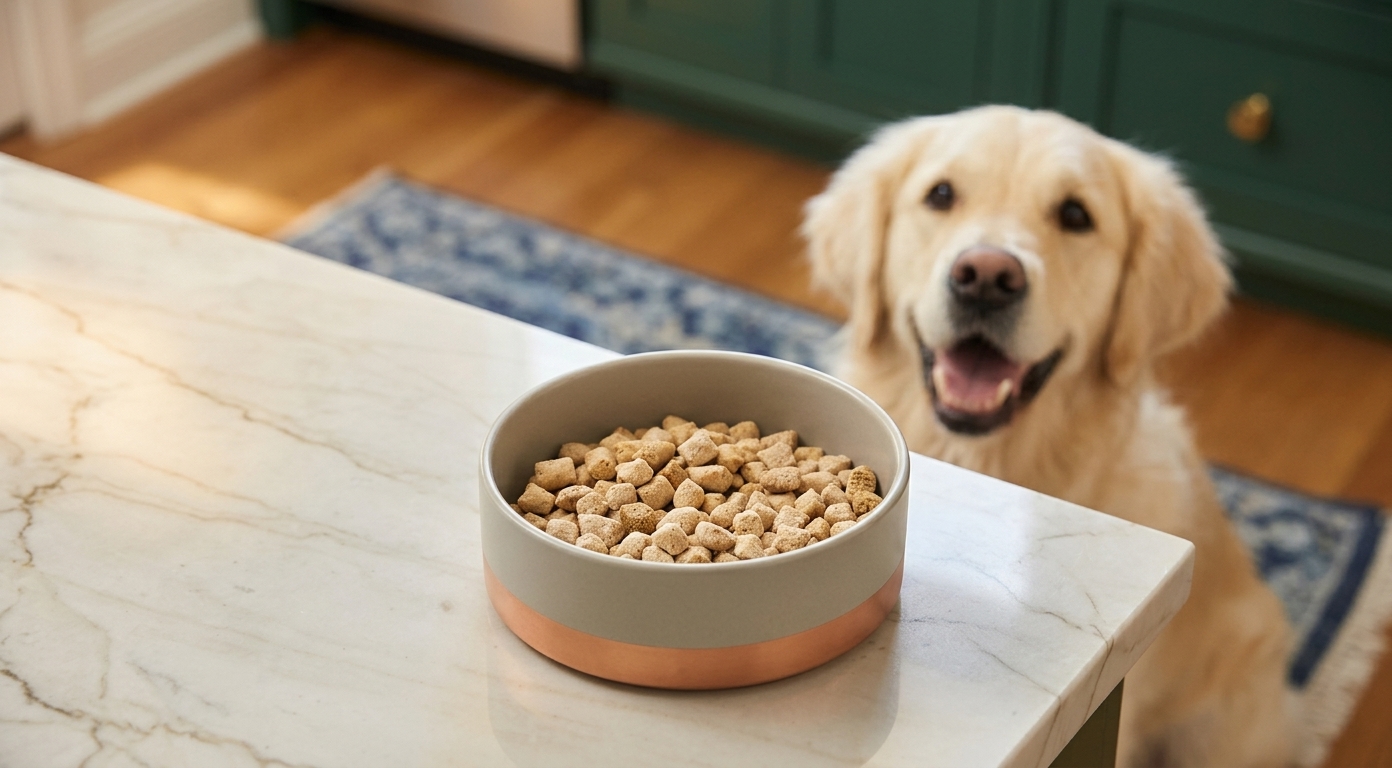
One of the most significant choices you make for your dog's well-being is picking the proper meals. A balanced diet provides a balance of energy, digestion, muscle-building and general health. If you're looking for other options for your dog, other than dry dog food, you'll want to consider the brand Spot And Tango, particularly if you're interested in comparing ingredients and feeding options.
Prior to changing the dog's food, know the nutritional needs, read the labels on the dog's food and know which food items are dangerous for dogs. Whether you're looking for spot & tango unkibble to a regular feeding routine, knowing what to choose will help you establish a healthy routine for your pet.
What Makes Spot & Tango UnKibble Worth Exploring?
Spot & Tango UnKibble is one of the dog food alternatives that have been created to replace the regular kibbles. When comparing to other dog food products, consider nutritional completeness, nutrition information, feeding directions, and age and lifestyle appropriateness.
Depending on their size, activity, age and health, dogs require different foods. The nutritional requirements and quantity of food a puppy requires may differ from that of an active adult dog, as well as that of a senior pet.
What Should You Watch Out for on a Dog Food Label?
Before selecting a food, look at the following information:
- Nutritional adequacy: Check to see if there is a statement that it is complete and balanced for the life stage on a recognized nutrition standard.
- Ingredients: Look at the ingredients and determine if any you are aware of are sensitivities.
- Feeding guidelines: These should be based on the manufacturers' guidelines and adjusted if required by veterinary advice.
- Storage: Please refer to the instructions on the packaging for proper storage to ensure freshness and food quality.
- Cost per serving: Only compare daily feeding costs, not package price.
For those looking into spot & tango unkibble, review the latest product information and nutritional facts of the recipe you are interested in. Do not say without seeing the dogs whether or not a food is suitable for all dogs.
Is UnKibble Dog Food Right for Your Dog?
When deciding on what unkibble dog food to feed your dog you need to take into account your canine's taste, nutritional requirements and lifestyle. Some owners select alternative feeding formats because they are interested in trying out new ingredients or feeding styles. But a different format is not synonymous with a healthier food than all of the conventional foods.
Take Into Account the Unique Requirements of Your Dog
First, assess what your dog weighs, his/her condition, level of activity and digestive health. What is good for one dog can be bad for another, especially if the dog has an allergy or other medical or special dietary needs.
If you choose to use unkibble dog food, you can switch gradually (unless your veterinarian advises otherwise). One of the methods that is commonly used is to gradually add the new food over about a week, gradually increasing the amount if your pet can eat it.
Keep an eye out for changes in appetite, stool consistency, itching, vomiting or other strange symptoms. If there are any issues or they seem serious, call your vet.
One type of dog food to consider is spot and tango. Check the entire nutritive content, usage directions and subscription and delivery conditions before ordering. It should be based on your dog's health and not advertisements alone.
Are Grapes Good for Dogs?
It's important for every dog owner to know the facts about grapes and raisins as they can be harmful to dogs. Although it is understandable that people feed it to their dogs, grapes should not be given on purpose to canines.
The precise substance(s) which cause grape toxicity is still not fully known and the reaction of a specific person to grape consumption is still uncertain. Dogs can get seriously injured on their kidneys and there is not a safe dosage to give.
What Should You Do If Your Dog Eats Grapes?
Do not feed grapes or raisins to your dog, even if he seems fine, and notify your veterinarian or animal poison control center right away if your dog eats grapes or raisins.
Don't put off seeking advice just because symptoms may not have shown up. Symptoms may be vomiting, diarrhea, decreased appetite or unusual fatigue. There can be delayed kidney issues that can be life-threatening.
Never try to induce vomiting or use remedies unless directed to do so by a veterinary professional. Do not eat the grapes and conserve the packaging or approximate the number of grapes eaten and record the time of the incident.
Knowing about the grapes and dogs helps prevent unnecessary emergencies. Keep grapes, raisins, raisin baked goods and other potentially hazardous foods safely out of reach of pets. Let children and visitors know that these foods are not doggie food.
How to Establish a Healthier Feeding Routine
More than just picking a brand for feeding, a healthy feeding routine is important. Feed small amounts, set a routine for feeding, always have fresh drinking water and watch your dog's body condition closely.
Treats should be a small percentage of the total calories consumed. Don't give table scraps to a dog without consulting to see if the food is dog-friendly, and keep in mind that what's good for people can be bad for pets.
Have routine veterinary appointments to discuss appetite, weight gain, etc., and nutrition. An allergy, kidney or medical condition will require a diet recommendation by your veterinarian.
Make Informed Decisions for Your Dog's Health
The first step to choosing the best food for your pet is to become familiar with the specific needs of your pet. Check out spot & tango unkibble compared to other nutritionally complete foods, thoroughly research unkibble dog food, and keep in mind the dangers of grapes and dogs.
Spot And Tango may be a part of your research, but always refer to up-to-date information on products and ask for veterinary advice if you have any concerns about food. Following a balanced diet, proper food handling, and regular care can help ensure your dog's long-term health and well-being.