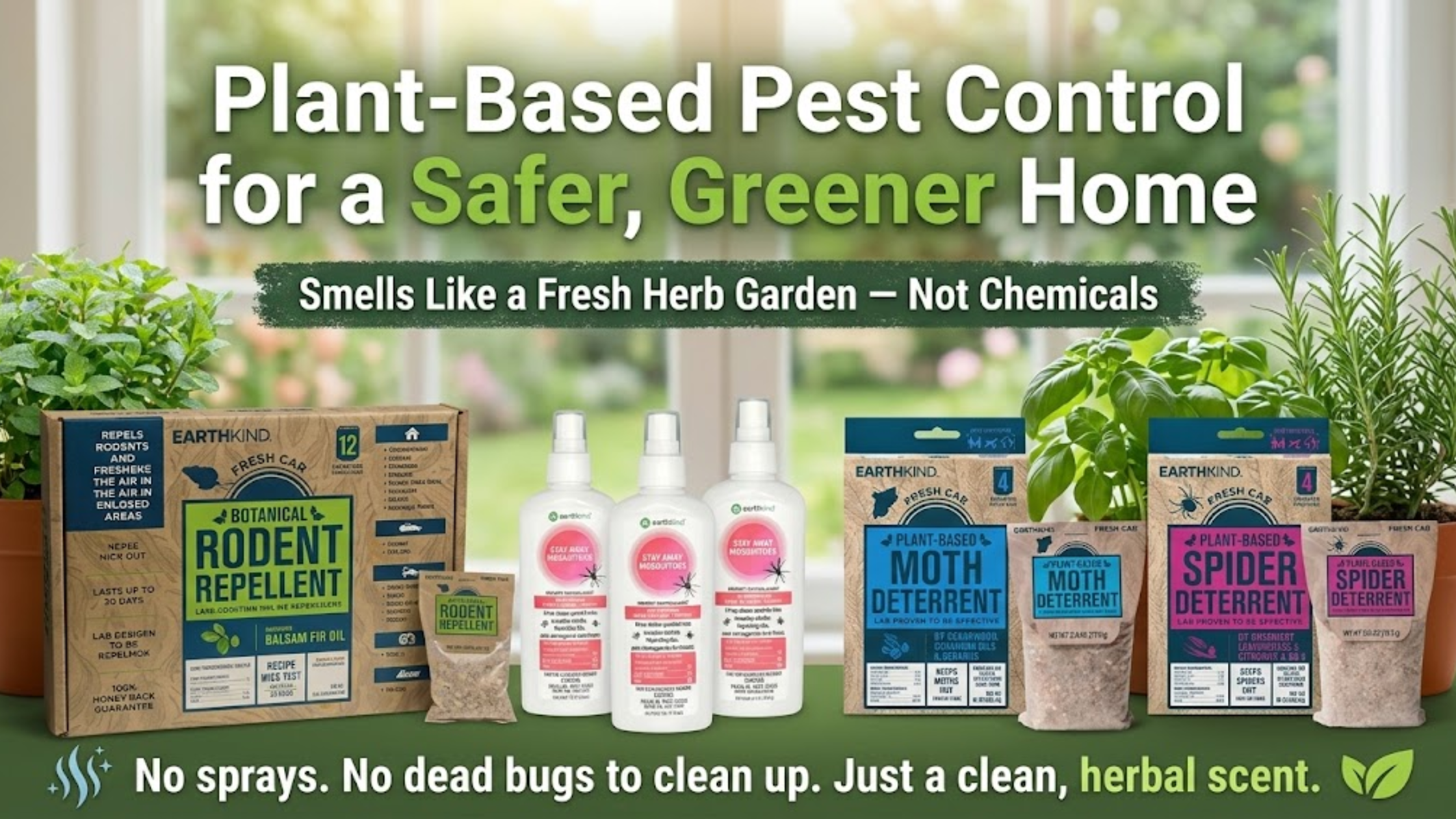
Pests can quickly make a comfortable home stressful. For example, ants invade kitchens, mice damage stored belongings, and insects disrupt daily routines. However, harsh chemical treatments may affect indoor air quality and the environment. Therefore, many homeowners seek safer, more environmentally conscious pest management options. Plant-Based Pest Control offers nature-inspired alternatives for managing certain household pests. Moreover, these products may support responsible household practices. However, homeowners must understand each treatment’s ingredients, effectiveness, and limitations before purchasing. Therefore, brands like EarthKind help homeowners explore different approaches to everyday pest problems.
Common Pest Control Problems Homeowners Face
1. Recurring Insect Infestations
Ants, flies, and other insects often return despite temporary treatments. This happens because homeowners sometimes target visible pests without eliminating their underlying causes. Moreover, food crumbs, standing water, and uncovered waste repeatedly attract insects. Therefore, effective pest management requires consistent cleaning and preventive measures. First, homeowners should seal food containers, remove rubbish regularly, and inspect potential entry points. Additionally, combining these habits with suitable Plant-Based Pest Control products may improve results.
2. Rodents Entering Living Spaces
Mice and rats can contaminate food, damage electrical wiring, and spread certain diseases. Therefore, homeowners must prevent rodents from entering their properties. Moreover, rodents can squeeze through small openings, making prevention especially important. Additionally, accessible food supplies and cluttered storage areas can attract rodents. A Natural Rodent Repellent may help discourage rodents from specific areas. However, repellents rarely eliminate severe infestations on their own. Therefore, homeowners should seal entry points, secure food supplies, and remove nesting materials.
3. Concerns About Conventional Pest Treatments
Some homeowners worry about exposing children, pets, and household members to pesticides. Meanwhile, others prefer reducing unnecessary chemicals in their living spaces. However, natural ingredients do not guarantee safety or effectiveness in every situation. Therefore, buyers should carefully evaluate product labels, application instructions, and safety precautions. Eco-Friendly Pest Control Products can support responsible pest management when homeowners choose suitable formulations. Moreover, homeowners must handle every product according to its label instructions.
Understanding Why Pest Problems Keep Returning
Identify the Conditions That Attract Pests
Pests often enter homes because they find food, water, shelter, or suitable breeding conditions. Even small food residues can attract insects and rodents. Moreover, gaps around doors, pipes, and windows provide convenient entry points. Additionally, seasonal weather changes can drive pests indoors seeking shelter. Consequently, occasional treatments may provide limited relief without addressing these underlying conditions. Therefore, identifying the root causes helps homeowners develop more effective pest prevention strategies.
Understand the Limitations of Repellents
Repellents aim to discourage pests from entering or occupying specific spaces. However, their effectiveness depends on ingredients, placement, environmental conditions, and pest species. Moreover, some products require regular replacement or reapplication to maintain their effectiveness. Therefore, a Natural Rodent Repellent should complement proper sanitation and exclusion measures. However, it should not replace professional treatment for significant rodent infestations. Ultimately, understanding these limitations helps homeowners set realistic expectations before purchasing.
Practical Ways to Manage Household Pests Naturally
1. Eliminate Food and Water Sources
First, clean kitchen counters, floors, cupboards, and food preparation areas regularly. Additionally, store dry foods in tightly sealed containers and clean spills immediately. Next, repair leaking pipes and remove standing water wherever possible. These simple habits reduce the resources that attract common household pests. Moreover, they help Plant-Based Pest Control products support a broader prevention strategy. Ultimately, consistent maintenance delivers better long-term results than relying on treatments alone.
2. Seal Entry Points and Reduce Clutter
First, inspect doors, windows, foundations, and utility openings for potential access points. Next, seal suitable gaps with weatherstripping or rodent-resistant sealants. Additionally, organize storage areas and remove cardboard or other potential nesting materials. For larger rodent gaps, use durable exclusion materials that rodents cannot easily chew through. Furthermore, consider EarthKind solutions alongside these preventive measures to support a pest-conscious approach. Finally, inspect these areas regularly to identify new openings. Therefore, consistent prevention reduces opportunities for pests to enter and settle indoors.
3. Compare Ingredients and Application Methods
Before buying a treatment, first identify the pest you need to control. Then, review the active ingredients and confirm they target that specific pest. Next, check whether the formulation suits your intended location, including cupboards, storage areas, or entryways. Moreover, Eco-Friendly Pest Control Products vary in ingredients and intended applications. Therefore, never assume every natural formulation delivers identical results. Instead, compare application requirements, replacement frequency, safety instructions, and available product evidence.
4. Choose Products That Fit Your Household
Before selecting a solution, consider your home's layout, pest activity, and maintenance preferences. For example, enclosed storage spaces may need different preventive measures than open kitchens. Additionally, households with pets should check product-specific placement instructions and exposure precautions. Moreover, Plant-Based Pest Control products may appeal to buyers seeking nature-inspired pest management. However, always follow the manufacturer's instructions and prevent unintended contact with treatments. Finally, consult a qualified pest management professional if the infestation persists.
Why Consider EarthKind for Nature-Inspired Pest Management?
Choosing the right pest management option can feel confusing. Therefore, compare convenience, effectiveness, ingredients, and ongoing maintenance before purchasing. Moreover, homeowners can explore EarthKind for nature-inspired pest management options. Before choosing a product, review its intended use, ingredients, and application instructions. Also, confirm that it addresses your specific pest problem. A suitable Natural Rodent Repellent can support a broader prevention plan. However, results depend on the product, pest behavior, and surrounding conditions. Therefore, combine appropriate treatments with proper sanitation and exclusion methods. When comparing Eco-Friendly Pest Control Products, prioritize verified information over broad environmental claims. Additionally, check clear instructions, transparent ingredient details, and realistic performance expectations. Ultimately, these steps help you make a more informed purchasing decision.
Benefits of Choosing a Thoughtful Pest Prevention Strategy
Reduce Unnecessary Chemical Use
A carefully selected plant-based option may help households explore alternatives to conventional treatments. However, suitability depends on the formulation, target pest, and application environment. Therefore, compare available evidence carefully before making your decision.
Improve Everyday Convenience
Preventive measures help reduce conditions that allow pests to thrive. Moreover, sealed food containers, clean surfaces, and blocked entry points simplify household maintenance. Finally, suitable Plant-Based Pest Control products can complement these practical habits when necessary.
Support More Informed Purchasing Decisions
Comparing ingredients, instructions, and intended uses helps prevent unsuitable purchases. Furthermore, realistic expectations reduce disappointment when products require additional preventive measures. Meanwhile, consider EarthKind when evaluating available solutions. However, eco-friendly labels alone do not guarantee effectiveness or safety. Therefore, review product documentation and follow every relevant precaution. Ultimately, this approach balances household needs with responsible product selection.
Conclusion: Build a Smarter, More Sustainable Pest Control Routine
Managing pests effectively starts with identifying what attracts them and how they enter your home. Therefore, prioritize sanitation, moisture control, entry-point sealing, and regular inspections. These preventive measures address common causes instead of simply reacting to visible pests. Next, compare Plant-Based Pest Control options based on ingredients, target pests, application requirements, and supporting evidence. Additionally, a Natural Rodent Repellent may complement exclusion methods. Meanwhile, other Eco-Friendly Pest Control Products may address different household needs. Finally, explore EarthKind's available offerings and review each product's details before purchasing. Then, choose solutions that match your circumstances and maintain realistic performance expectations. With consistent prevention and informed product selection, you can establish a practical pest management routine for your home.