
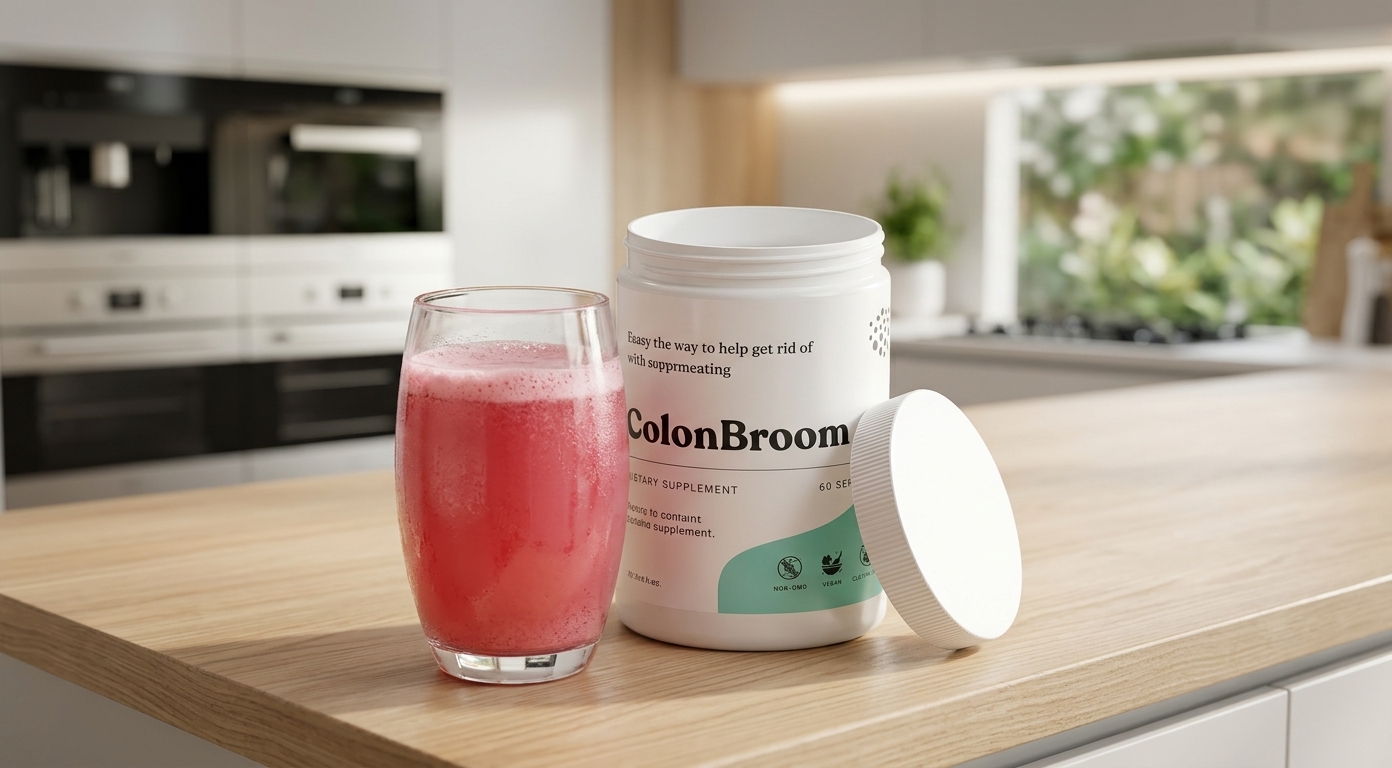
Comparing ColonBroom and Metamucil in terms of their digestive benefits.
With the many choices available, selecting a fiber supplement can be confusing, especially considering its supposed digestive benefits, appetite control and weight-management properties. ColonBroom is one fiber product consumers might want to consider, and Metamucil is a familiar name of psyllium fiber supplements. Knowing what these contain, what they are used for, and for what they are not, will be helpful.
While both brands have digestive health products, the formulas might not be the same. The selection should be based on your fiber requirements, ingredient preference, cost and medical issues—not just marketing claims.
What's the Difference Between ColonBroom and Metamucil?
First, compare the product to product when researching colon broom vs metamucil, rather than assuming all the products from a given brand are the same.
ColonBroom's original strawberry flavored fiber powder contains psyllium husk as the first fiber ingredient, as well as flavoring and other ingredients. Metamucil is also a manufacturer of psyllium fiber products, such as powders and capsules.
Comparing Ingredients and Formulations
Write equations to compare ingredients and formulations.
Psyllium husk is a soluble fibre that absorbs water in the digestive tract, creating a gel-like substance. With adequate fluid intake per product directions, it may assist with normal bowel movements.
But flavours, sweeteners, serving sizes and other ingredients can vary. Read the current label of each product and compare the amount of fiber per serving and look for ingredients you might want to steer clear of.
Think Taste and Convenience
The taste of supplements may affect their regular use. Some may like flavored powders, others might like capsules or unflavored.
Other considerations include preparation instructions, package sizes and serving sizes. The cost of a product can be one indicator of the value, but that's not always the case if there's a difference in serving size or frequency.
Should GLP-1 Booster Be Taken?
A colon broom glp1 booster is associated with interest in supplements which are promoted as aiding appetite and metabolic health. It is important to differentiate a product's claims from proven clinical evidence though.
GLP-1 is a hormone that regulates appetite and blood sugar. Prescription GLP-1 drugs act on specific mechanisms and are shown to be effective for the indicated actions. No dietary supplement can be taken for granted to have the same effect.
Know the Ingredients in the Product
Know the ingredients in the product. Be aware of product composition.
ColonBroom also offers a separate GLP-1 Booster formulation containing ingredients such as berberine, zinc, Polygonum cuspidatum extract and quercetin dihydrate. This is unlike its native fiber powder which is derived from psyllium.
Read the label of the specific product you are interested in; formulations vary. Just looking at the ingredient list is not enough to prove that a supplement has any significant impact on GLP-1 activity or weight loss.
Beware of Weight Loss Claims
Statements regarding craving reduction, metabolism boost or weight management should be considered to the light of solid human studies. The evidence for one ingredient may not necessarily be the evidence for a finished supplement.
Furthermore, dietary supplement claims must be suitably substantiated, the FDA notes. Don't take promotional words for their word.
Things to Be Aware of With GLP-1 ColonBroom Products
The search for glp-1 colon broom may result in products for other uses. When buying, take into account that you're buying a fiber supplement or a separate product for metabolic support.
A fiber supplement might feature a different blend of ingredients and a product labeled as a GLP-1 booster can provide more fiber per day. Do not use in place of prescribed treatment without advice from a healthcare professional.
When taking medication for diabetes, blood pressure or another condition, seek advice from your healthcare provider before taking a supplement. Certain ingredients may interact with medications or have an impact on blood sugar levels.
Understanding Which Fiber Supplement Is Best for You
In comparing products from ColonBroom, Metamucil or other product manufacturers, consider these practical factors:
- Main objective: To determine if you'd like to boost the amount of fiber in your diet or if you have occasional constipation.
- Transparency in ingredients: Check the entire label and serving size.
- Daily cost: Focus on cost per serving, not the package.
- Tolerance: Quickly adding too much fiber may lead to gas or bloating or a change in bowel movements.
- Medication: Consult with health care provider about timing and interactions.
Ease food into their diet gradually and provide plenty of water. Psyllium products may cause choking if not taken with sufficient fluids and may interfere with the absorption of certain medications. Take as directed on the product label; if you have problems swallowing or if digestive symptoms persist, ask for professional help.
Conclusion
Fiber supplements can come in a variety of forms, each of which is ideal for different types of digestive systems, requires different food preferences, and is supported by different evidence of effectiveness. Look at specific recipes, recommended portion sizes, and costs; don't assume that the same marketing translates to the same results.
If you're looking for a fiber supplement comparison, you should consider researching ColonBroom alongside Metamucil. Be wary of claims of GLP-1 boosters and don't use supplements for weight management unless recommended by a healthcare provider, especially when combined with a prescription.