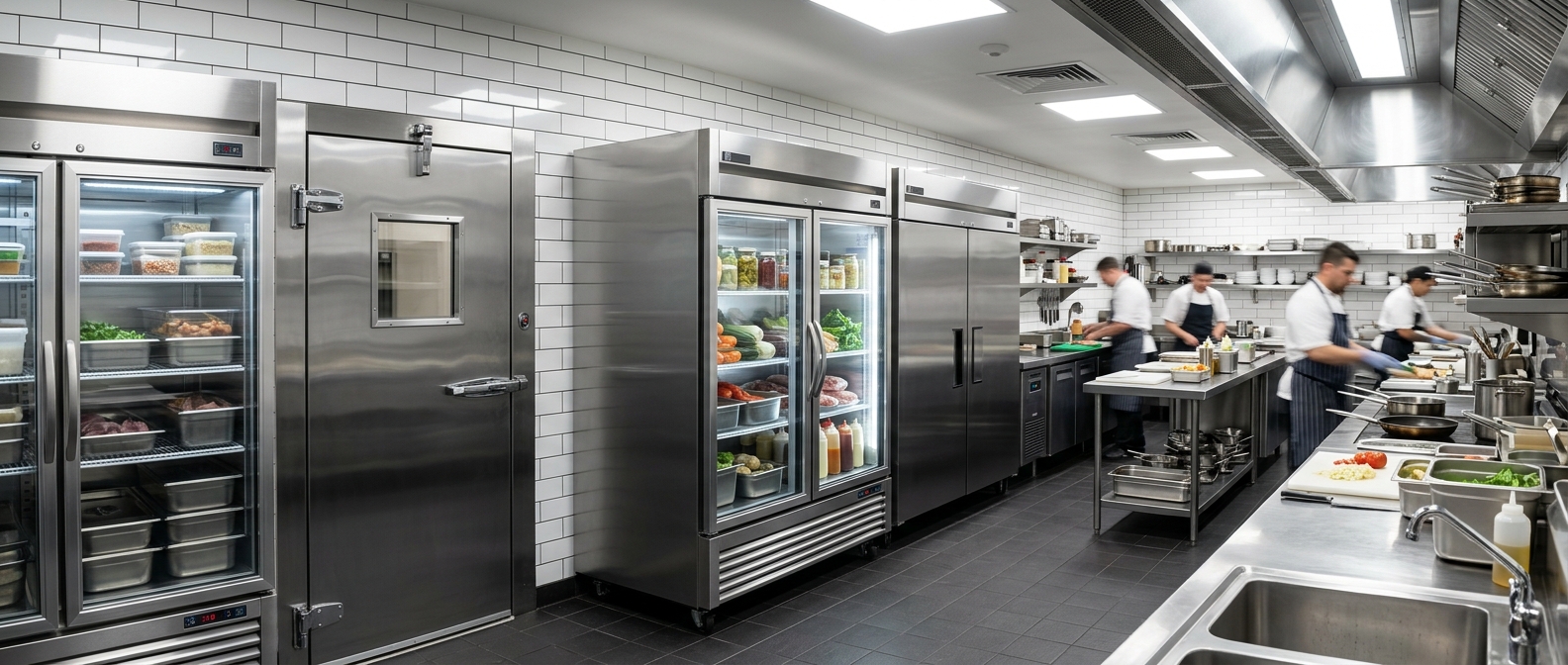
Running a busy commercial kitchen becomes difficult when refrigerators struggle to maintain temperatures or freezers lack storage. Consequently, these problems can spoil ingredients, disrupt food preparation, and increase operating costs. Fortunately, reliable Commercial Refrigeration Equipment helps restaurants, cafés, and catering businesses maintain efficient operations. Wilprep Kitchen offers options for businesses seeking practical refrigeration and kitchen solutions. With suitable equipment, you can protect ingredients, organize inventory, and support consistent food service.
Why Commercial Kitchens Struggle With Refrigeration
Commercial kitchens depend on reliable refrigeration during every service. However, unsuitable equipment can affect food quality, productivity, and operating expenses.
Common refrigeration challenges include:
- Inconsistent temperatures: Poor temperature control can compromise ingredient freshness and food safety.
- Limited storage capacity: Small refrigerators make bulk ingredient storage and organization difficult.
- Rising energy bills: Inefficient units can consume unnecessary electricity.
- Frequent maintenance: Worn components and neglected servicing can cause unexpected breakdowns.
- Disorganized inventory: Poor shelving makes ingredients harder to locate and manage.
These challenges often intensify during busy lunch and dinner services. Therefore, restaurant owners should evaluate their refrigeration needs before purchasing replacement equipment.
What Causes Commercial Refrigeration Problems?
Understanding common causes helps business owners select effective solutions. Several factors influence refrigeration performance and overall kitchen efficiency.
1. Choosing Equipment Without Planning
Many businesses purchase refrigerators based solely on price or appearance. However, every kitchen has different storage requirements, operating hours, and space limitations. For example, a small café may need compact refrigeration, while a restaurant requires greater capacity.
2. Ignoring Temperature Requirements
Different ingredients require specific storage temperatures. Therefore, businesses should choose equipment that meets their food storage requirements. Additionally, reliable temperature controls help staff monitor conditions and minimize avoidable food waste.
3. Overlooking Energy Efficiency
Commercial refrigeration equipment often operates continuously throughout the day. Consequently, inefficient models can significantly increase utility expenses. Comparing energy consumption before purchasing helps businesses make informed decisions.
How to Choose the Right Commercial Kitchen Equipment
You can simplify equipment selection by evaluating your daily operations. Rather than focusing exclusively on upfront costs, consider long-term performance and practical requirements.
Assess Your Storage Needs
First, estimate your kitchen's refrigerated and frozen storage requirements. Consider your menu, ingredient deliveries, customer volume, and available floor space.
Ask these questions before making your decision:
- How many ingredients do you store daily?
- Do you need separate refrigerated and frozen storage?
- Will seasonal demand affect your storage requirements?
- How much space can you allocate to refrigeration?
- Can staff access frequently used ingredients quickly?
Your answers will help you select Commercial Kitchen Equipment that supports your workflow without wasting valuable space.
Compare Essential Features
Not every refrigerator offers the same functionality. Therefore, compare features that directly influence daily performance.
Prioritize these important considerations:
- Temperature control: Choose dependable controls that maintain appropriate storage conditions.
- Storage configuration: Select shelving and compartments that accommodate your ingredients.
- Durability: Evaluate construction quality and suitability for demanding commercial environments.
- Energy consumption: Review available efficiency information before purchasing.
- Maintenance access: Choose designs that simplify cleaning and servicing.
- Available capacity: Ensure the unit accommodates your inventory without unnecessary crowding.
Additionally, measure doorways, installation areas, and ventilation clearances before ordering. This simple step helps prevent costly installation problems.
Why Commercial Refrigerators and Freezers Matter
Refrigerators and freezers serve different but equally important purposes in food service. Refrigerators keep ingredients chilled, while freezers preserve suitable products at frozen temperatures. The right combination helps businesses organize ingredients according to their storage requirements. Moreover, separate units improve accessibility when staff need different ingredients during busy shifts.
Before purchasing Commercial Refrigerators and Freezers, evaluate these essential factors:
- Refrigerator capacity: Match chilled storage space to your daily ingredient requirements.
- Freezer capacity: Estimate frozen inventory levels and expected delivery quantities.
- Temperature consistency: Choose reliable equipment with suitable monitoring features.
- Kitchen layout: Position units where staff can retrieve ingredients without interrupting preparation.
- Cleaning requirements: Select equipment with accessible surfaces and manageable maintenance needs.
Proper placement also plays an important role. Whenever possible, keep refrigeration units away from excessive heat. Additionally, maintain the clearances specified by manufacturers. These practices support efficient operation and reduce unnecessary equipment strain.
How Wilprep Kitchen Can Support Smarter Equipment Choices
You can simplify equipment selection by identifying your kitchen's priorities. Wilprep Kitchen provides a starting point for exploring commercial kitchen and refrigeration options for different business requirements. Before choosing a model, compare its specifications with your operational needs. Check dimensions, storage capacity, temperature ranges, power requirements, and warranty information. Also, review installation requirements and available customer support. A careful comparison helps you avoid paying for unnecessary features. Instead, prioritize equipment that supports reliable storage and practical everyday use. When evaluating Commercial Refrigeration Equipment, consider total ownership costs rather than purchase prices alone. Energy consumption, maintenance, expected service life, and replacement expenses all influence long-term value.
Benefits of Upgrading Your Refrigeration Equipment
The right refrigeration setup can improve several aspects of daily kitchen operations. Although results depend on equipment quality and proper use, a well-planned upgrade offers practical advantages.
Key benefits include:
- Better organization: Suitable shelving helps staff arrange ingredients efficiently.
- Improved workflow: Accessible storage reduces unnecessary movement during food preparation.
- More reliable storage: Appropriate equipment helps maintain required food storage conditions.
- Reduced waste: Better inventory management helps prevent forgotten or overstocked ingredients.
- Greater operational confidence: Dependable equipment helps kitchens prepare for busy service periods.
- Smarter budgeting: Energy-efficient choices may reduce electricity expenses over time.
However, equipment alone cannot guarantee food safety or eliminate waste. Staff must follow food safety procedures, monitor temperatures, clean units regularly, and rotate inventory properly.
Make a Smarter Commercial Refrigeration Investment
Choosing refrigeration equipment requires more than finding a unit that fits your budget. Instead, balance storage capacity, temperature performance, energy consumption, durability, and available space. By comparing these factors, you can choose equipment that supports your kitchen's daily demands. First, identify your biggest refrigeration challenges and establish clear purchasing priorities. Next, compare suitable Commercial Refrigerators and Freezers against your operational requirements. Finally, explore Wilprep Kitchen's available options to find equipment that aligns with your business goals. With careful planning, you can create a more organized kitchen and invest confidently in long-term operational efficiency.