Introduction: Are Your Tools Making Every Job Harder?
Have you ever struggled with a stubborn bolt, a slipping screwdriver, or a tool that wears out quickly? These problems can turn simple repairs into frustrating tasks. Moreover, unreliable equipment wastes time, increases costs, and reduces work quality. Whether you maintain vehicles, manage a workshop, or handle industrial projects, you need the right equipment. Professional Hand Tools, Automotive Repair Tools, and Industrial Tools and Supplies help you complete tasks efficiently when you choose them carefully. However, the cheapest option rarely solves every problem. Instead, prioritize durability, functionality, comfort, and long-term value. By following these principles, you can build a dependable toolkit that supports your daily work without unnecessary expenses.
Common Problems People Face When Choosing Tools
Before investing in new equipment, identify the problems that affect your productivity.
1. Tools Wear Out Too Quickly
Low-quality tools often bend, crack, or lose their grip after repeated use. Consequently, frequent replacements increase your overall spending and disrupt your workflow.
2. The Wrong Tool Slows Down Repairs
Using an incorrectly sized wrench or an unsuitable socket makes routine repairs unnecessarily difficult. In automotive workshops, limited access to fasteners creates additional challenges.
3. Poor Comfort Causes Hand Fatigue
Uncomfortable handles and poorly balanced tools make extended work tiring. As a result, technicians may struggle to maintain consistent control during detailed tasks.
4. Disorganized Equipment Wastes Time
Searching for missing sockets, screwdriver bits, or accessories interrupts your workflow. Similarly, buying individual tools without checking compatibility can leave important gaps in your collection.
Fortunately, you can address these issues by evaluating your needs before making a purchase.
Why Do These Tool Problems Occur?
Several factors affect tool performance. Understanding these factors helps you make smarter purchasing decisions. First, material quality influences durability. Manufacturers can produce dependable tools by selecting suitable steel and applying appropriate heat treatments. Second, precision matters. A properly fitted socket or screwdriver bit grips its fastener more securely. Consequently, it helps reduce slipping and unnecessary wear. Third, tool selection affects efficiency. For example, mechanics working inside confined engine compartments often benefit from compact ratchets and extensions. Finally, maintenance plays an important role. Dirt, moisture, improper storage, and excessive force can shorten a tool's lifespan, regardless of its original quality. Therefore, choose suitable equipment and maintain it properly instead of repeatedly replacing tools that fail to meet your needs.
Practical Ways to Choose the Right Tools
You don't need to purchase every available tool to create an effective workshop. Instead, follow these practical steps.
1. Identify Your Most Frequent Tasks
Start by listing the jobs you perform regularly. Mechanics often prioritize socket sets, ratchets, wrenches, pliers, and screwdriver assortments. Meanwhile, industrial maintenance teams may also need specialized accessories, cleaning products, and protective equipment. By identifying your priorities, you can avoid spending money on tools you rarely use.
2. Check Material Quality and Construction
Examine each tool's material, finish, grip, and overall construction. Additionally, review the manufacturer's specifications to ensure the tool suits your intended application. For demanding tasks, select tools designed for the required loads and working conditions. Furthermore, use calibrated torque tools whenever repairs require specific tightening values.
3. Prioritize Comfort and Precision
Choose handles that provide a secure, comfortable grip. Also, consider each tool's dimensions, weight, and accessibility when working in restricted spaces. Precision-fit sockets and bits make fastening tasks easier while helping prevent fastener damage. Therefore, select accessories that match the fasteners you handle most frequently.
4. Compare Complete Sets With Individual Tools
Tool sets offer convenience when they include the sizes and accessories you regularly need. However, a large assortment doesn't automatically provide the best value. Compare the included components, storage options, material specifications, and overall price. Then, choose a set that matches your actual workload rather than paying for unnecessary accessories.
5. Establish a Simple Maintenance Routine
Clean your tools after use, dry them thoroughly, and store them in an organized location. Additionally, inspect handles, cutting edges, ratchet mechanisms, and other working parts regularly. Furthermore, replace damaged tools instead of continuing to use them. Always follow the manufacturer's instructions and applicable workshop safety procedures to maintain a safe working environment.
Finding a Reliable Source for Professional Tools
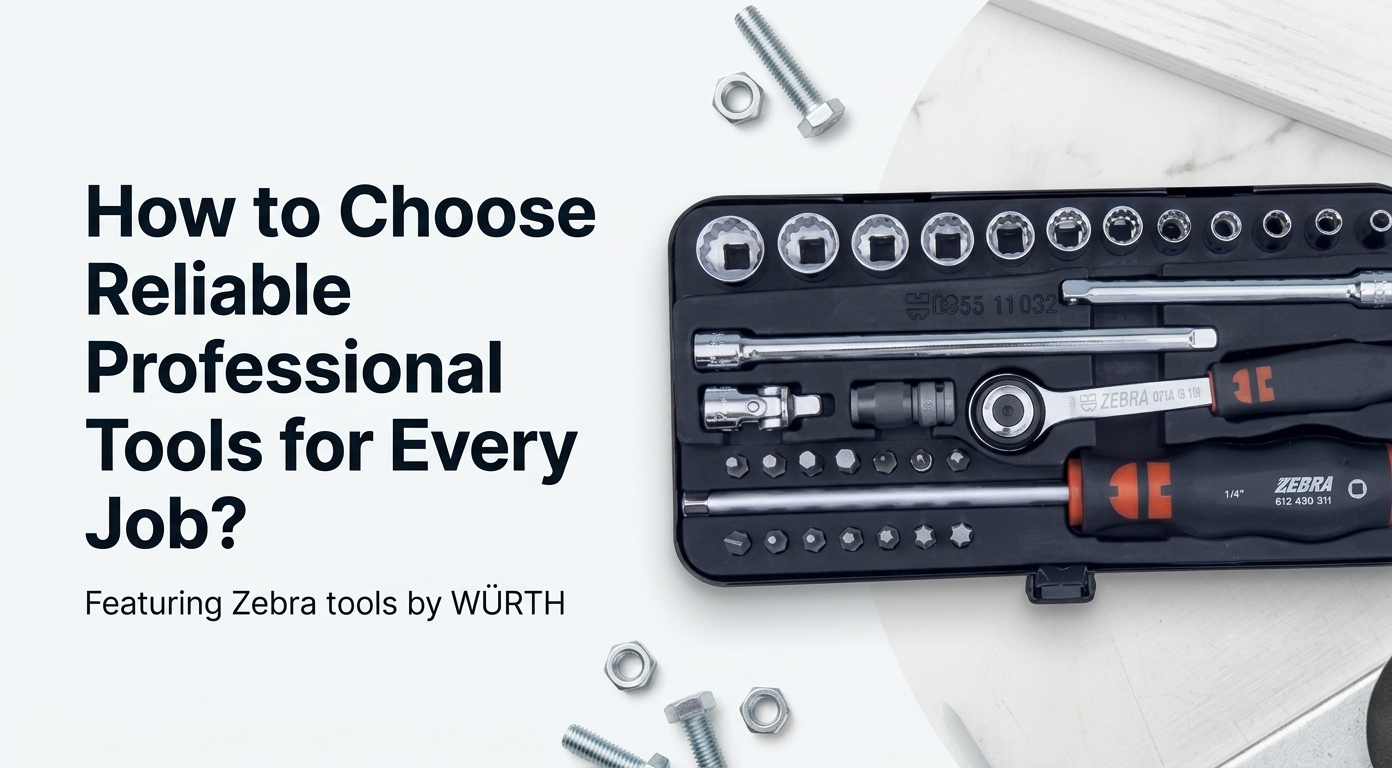
Even after identifying your requirements, finding suitable equipment can feel overwhelming. Different products offer varying specifications, prices, and intended applications. Fortunately, a specialist supplier can simplify your search by providing a range of tools for different professional needs. Wurth offers professional-grade hand tools, automotive equipment, and workshop products through its online store. Its selection includes ZEBRA wrench assortments, screwdriver sets, socket collections, and compact ratcheting tools for various mechanical and maintenance applications. For example, technicians who frequently work in restricted spaces may benefit from compact ratchet sets. Meanwhile, professionals handling diverse fastening tasks may prefer socket assortments with multiple sizes and extensions. You can explore available options at Wurth Tool and compare products based on their specifications, intended applications, and current availability. Rather than selecting equipment solely because it carries a premium price, evaluate how effectively each product solves your specific problems. This approach helps you prioritize practical features and make more informed purchasing decisions.
Benefits of Upgrading Your Tool Collection
Investing in suitable, high-quality equipment can improve your everyday workflow in several ways.
Better efficiency: The correct tool helps you complete familiar tasks with fewer interruptions and less unnecessary effort. As a result, you can spend more time on productive work.
Greater consistency: Well-fitting tools support controlled fastening and predictable results when you use them correctly. Moreover, choosing the appropriate equipment helps you follow recommended repair procedures.
Improved comfort: Ergonomic designs make repetitive work more manageable. However, you should also maintain proper technique and take regular breaks to reduce fatigue.
Potential long-term savings: Durable tools may reduce replacement frequency when you maintain and use them correctly. Nevertheless, actual savings depend on the purchase price, workload, and product lifespan.
Better organization: Purpose-built sets and suitable storage keep essential equipment accessible. Consequently, you can spend less time searching for components and more time completing tasks.
These benefits become especially valuable in busy automotive workshops and industrial maintenance environments. Even small improvements can reduce delays and support smoother daily operations.
Conclusion: Make Smarter Choices for Your Workshop
Choosing the right equipment doesn't mean buying the most expensive tools available. Instead, focus on your daily requirements, material quality, precision, comfort, and long-term usability. Reliable Professional Hand Tools support everyday maintenance, while suitable Automotive Repair Tools help technicians handle vehicle-related tasks more efficiently. Likewise, carefully selected Industrial Tools and Supplies improve organization and support demanding maintenance environments. Before your next purchase, review your existing toolkit and identify the tools that cause the most frustration. Then, compare products from established suppliers such as Wurth to find practical options that match your needs and budget. A well-planned toolkit helps you work more efficiently, reduce interruptions, and approach every repair with greater confidence.