Helping an older adult move from a bed to a chair can become challenging quickly. Limited strength, balance issues, and fatigue can make everyday transfers stressful. Caregivers may also worry about back strain, falls, and uncomfortable lifting techniques. Fortunately, Achairgo Inc offers the right Mobility Equipment for Seniors to make these routines safer and more manageable.
Understanding Common Senior Mobility Challenges
Transfers Can Become Physically Demanding
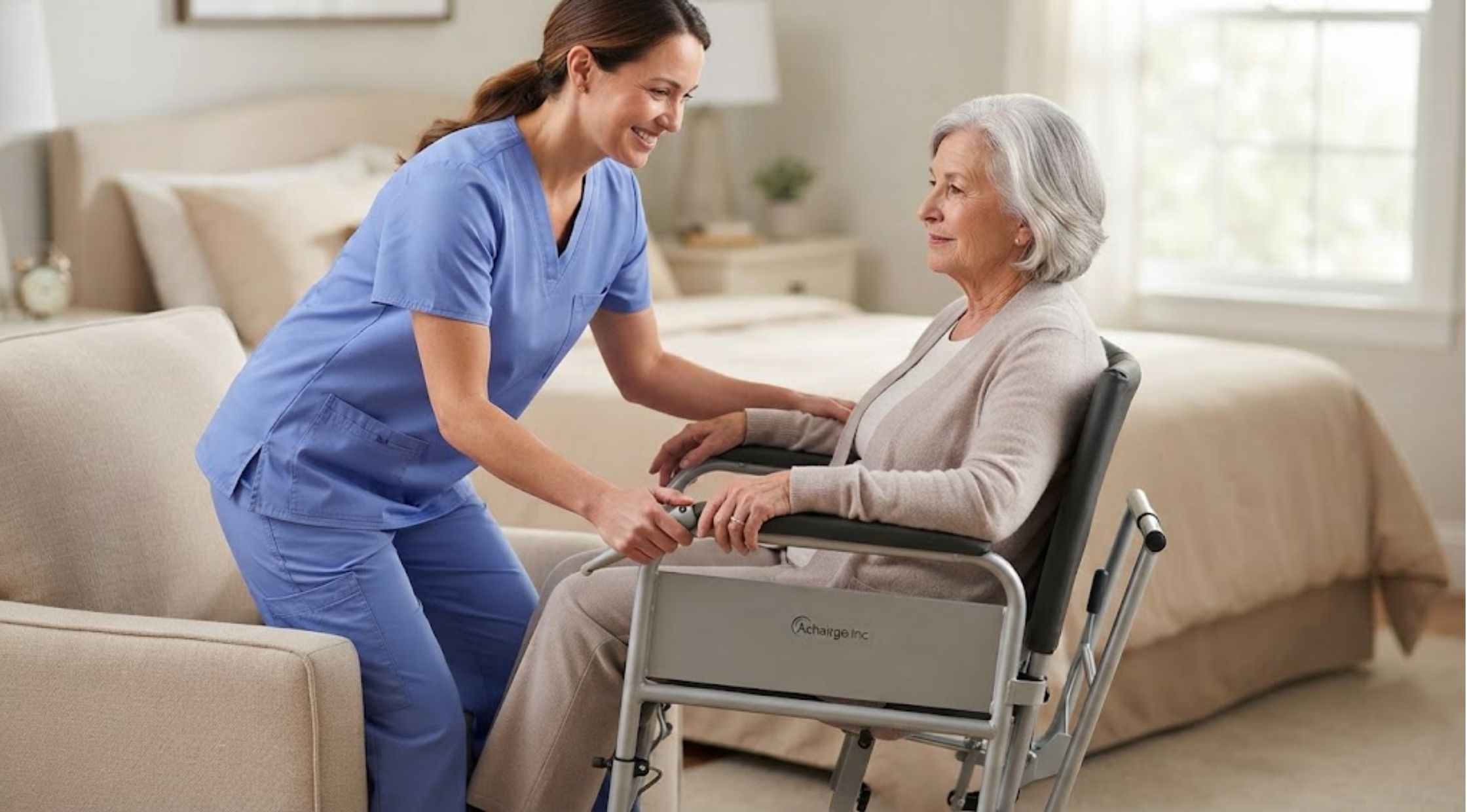
Many seniors struggle to stand, turn, or sit without assistance. Therefore, caregivers often support seniors during these movements. However, manual lifting can place significant strain on both individuals. A Patient Lift Transfer Chair offers a more controlled transfer approach. It supports assisted transfers while reducing unnecessary physical effort. Therefore, caregivers can focus more on comfort and proper positioning.
Falls Can Create Serious Concerns
Balance changes can make ordinary transfers unpredictable. Even a small stability loss can cause a senior to slip or fall. Therefore, caregivers need equipment that supports safe, controlled movement. An Electric Patient Lift can simplify transfers through powered assistance. Moreover, proper equipment can reduce sudden movements during transfers. It also provides caregivers with greater control and stability.
Why Senior Transfers Become More Difficult
Several factors can affect a person’s ability to transfer independently. Reduced muscle strength can make standing more difficult. Joint stiffness can also limit movement and flexibility. Additionally, fatigue can affect balance and coordination. Some seniors may feel confident initially but struggle later. Therefore, caregivers should choose equipment that supports changing mobility levels. The surrounding environment also affects transfer safety. Narrow spaces can restrict movement during transfers. Unsuitable chairs can also make transfers more difficult. Likewise, slippery floors can increase transfer risks. Therefore, a practical approach combines suitable equipment with a safer environment.
Practical Ways to Improve Transfer Safety
Assess Mobility Before Choosing Equipment
Start by assessing the senior’s required level of assistance. For example, some seniors can partially stand during transfers. However, others may need complete lifting support. Next, consider the equipment’s weight capacity and expected transfer frequency. Also, evaluate the available space before choosing equipment. These factors help you select suitable Mobility Equipment for Seniors.
Prepare the Transfer Area
Remove clutter around beds, chairs, and bathrooms. Additionally, keep frequently used pathways clear and well-lit. Also, lock wheelchair and chair wheels whenever appropriate. Furthermore, caregivers should explain each movement before starting. Clear communication can reduce anxiety and prevent unexpected movements.
Avoid Manual Lifting Whenever Possible
Caregivers should avoid manually lifting a person’s full body weight. This approach can increase injury risks for everyone involved. Instead, caregivers should use equipment designed for assisted transfers. Proper positioning and controlled movement can also create a smoother transfer experience.
When a Patient Lift Transfer Chair Makes Sense
A Patient Lift Transfer Chair can provide valuable support during daily mobility routines. It can assist seniors who cannot safely complete transfers alone. Additionally, the chair can reduce physical demands on caregivers. Instead of relying mainly on strength, caregivers can use mechanical assistance. This approach proves especially useful during repeated transfers throughout the day. For example, bed-to-chair transfers can otherwise become physically exhausting. Similarly, chair-to-bathroom movements can create significant physical strain.
Exploring an Electric Patient Lift
An Electric Patient Lift provides powered assistance during user transfers. Moreover, electric operation helps caregivers manage routine transfers more easily. However, caregivers should assess each user's specific transfer needs carefully. First, consider the lift's weight capacity and overall dimensions. Next, evaluate the controls, battery operation, and maneuverability. Additionally, a quality lift should suit the user's daily environment comfortably. Therefore, measure doorways before choosing an Electric Patient Lift. Also, check available turning spaces to ensure smooth movement and positioning.
Choosing Better Mobility Equipment for Seniors
The best equipment should balance safety, comfort, usability, and durability. However, price should not become your only deciding factor. Instead, look for practical features that support regular use. Easy controls can simplify operation for caregivers. Additionally, comfortable seating can make transfers less stressful for seniors. Furthermore, consider how easily caregivers can position the equipment. Complicated equipment may discourage caregivers from using it consistently. Therefore, simple and intuitive operation can encourage better daily routines.
Consider Long-Term Value
Good equipment should support changing mobility needs whenever possible. However, today's solution may become less suitable as mobility needs change. Therefore, consider the senior's potential future needs before making a purchase. This approach can prevent unnecessary replacements and reduce additional expenses.
A Smarter Approach With Achairgo Inc
For caregivers seeking specialized transfer support, Achairgo Inc offers mobility-focused solutions. Additionally, its equipment can address common challenges during assisted transfers. A thoughtfully designed Patient Lift Transfer Chair supports safer movement and reduces caregiver effort. Meanwhile, an Electric Patient Lift provides powered assistance when manual transfers become difficult. Furthermore, Achairgo Inc offers useful options for families comparing Mobility Equipment for Seniors. Ultimately, caregivers should select equipment that matches each user's mobility requirements.
Benefits of Upgrading Transfer Equipment
Greater Confidence During Daily Transfers
Suitable equipment can make the transfer process more predictable and manageable. Moreover, caregivers can provide seniors with greater security through proper support. Additionally, caregivers can feel more confident during frequent mobility routines. As a result, greater confidence can make everyday assistance feel less stressful.
Reduced Physical Strain
Mechanical assistance reduces the need for physically demanding lifting. Therefore, caregivers can better protect their physical wellbeing. Additionally, mechanical assistance makes repeated transfers easier throughout the day. Consequently, caregivers can provide support without relying entirely on physical strength.
Better Everyday Independence
The right equipment does more than move someone from one place to another. Instead, it can support greater participation in daily routines. Moreover, appropriate assistance helps seniors access chairs and bathrooms comfortably. It can also help seniors reach other areas more easily. As a result, improved accessibility can create a more manageable daily lifestyle.
Make Senior Transfers Safer With the Right Equipment
Senior mobility challenges can affect users and caregivers alike. Fortunately, thoughtful equipment choices can reduce common transfer difficulties. Start by assessing mobility needs and measuring the available space. Then, identify daily transfer requirements and prioritize practical equipment features. Also, compare options that support safety, comfort, and easier operation. A Patient Lift Transfer Chair can assist with challenging manual transfers. Similarly, an Electric Patient Lift can provide valuable support during daily transfers. Achairgo Inc offers specialized solutions worth considering for transfer equipment needs. Ultimately, the best Mobility Equipment for Seniors should support safer daily routines. It should also improve confidence for both users and caregivers. Therefore, choose equipment based on individual needs rather than price alone.